As of July 2026, more than a dozen countries run government-legislated investment migration programmes. Four Caribbean states - St Kitts & Nevis, Grenada, Antigua & Barbuda and St Lucia - plus Türkiye, Vanuatu, Naoero and São Tomé & Príncipe offer citizenship by investment, while Greece, Portugal, Cyprus, Hungary, Latvia, the UAE, Panama, Thailand and the United States offer residence by investment.
At a glance
- European residence programmes start from around €250,000, rising to €500,000 for Portugal's fund route.
- Standards have tightened worldwide: interviews are now standard, and fully remote citizenship is largely a thing of the past.
- Citizenship by investment inside the EU has effectively closed - the European Court of Justice ruled against Malta's programme in April 2025.
- The UAE Golden Visa (AED 2 million in property) leads for investors who want a long-term base rather than a second passport.
What is investment migration - and why does it exist?
Investment migration is the legal, government-regulated process of obtaining residency or citizenship in a country by making a qualifying investment in its economy - typically a contribution to a national fund, a real estate purchase or an investment in a regulated fund.
We still meet clients who assume this happens in secret, through back channels. It does not. Dozens of countries legislate for these programmes and compete openly for investors, because the capital funds infrastructure, housing and public services. For families, the appeal is rarely the return itself: it is mobility, security, education options and the reassurance of never depending on a single government or passport.
Which Caribbean countries offer citizenship by investment?
The Caribbean is where this industry began. St Kitts & Nevis has offered citizenship in exchange for investment since 1984 - the world's oldest programme - and four neighbours have followed. As of July 2026, minimum contributions for a single applicant are:
What the region offers is full citizenship, not just residency: a genuine second passport with broad visa-free travel, including the Schengen Area.
Be equally careful with older claims that you will never need to set foot in the country. Standards have tightened: applicant interviews are now mandatory across the region, St Kitts & Nevis requires in-person biometric enrolment, and regulators are weighing short physical presence requirements. Processing still takes months rather than years - but if an adviser promises a purely remote passport, treat it as a red flag.
Which European countries offer residence by investment?
Europe's proposition is different: residency rather than citizenship, with naturalisation possible later for those who genuinely settle. As of July 2026, the main routes are:
- Greece - real estate from €400,000 in most areas, €800,000 in prime zones such as Athens, Thessaloniki, Mykonos and Santorini, and a €250,000 route reserved for commercial-to-residential conversions and listed-building restorations
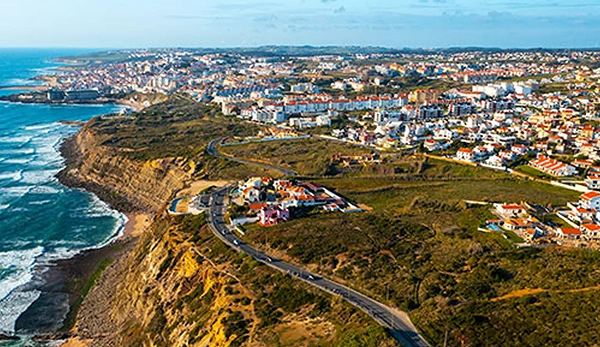
- Portugal - the property route was removed in October 2023; the Golden Visa continues through regulated investment funds from €500,000
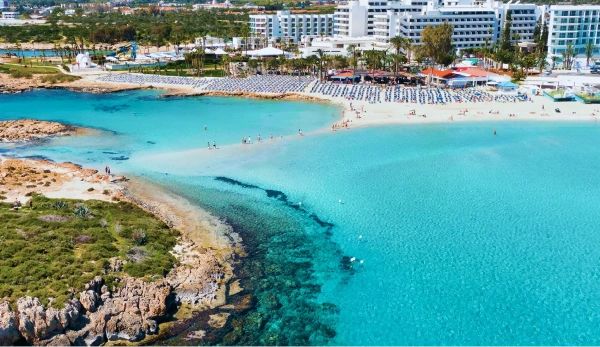
- Cyprus - permanent residence from €300,000 in qualifying property
- Hungary - the Guest Investor Programme grants a 10-year permit for €250,000 in approved real estate fund units; the planned direct property option was scrapped before launch
- Latvia - residence from €250,000 in real estate plus a 5% state fee, though legislation to curtail the route is under discussion, so timing matters
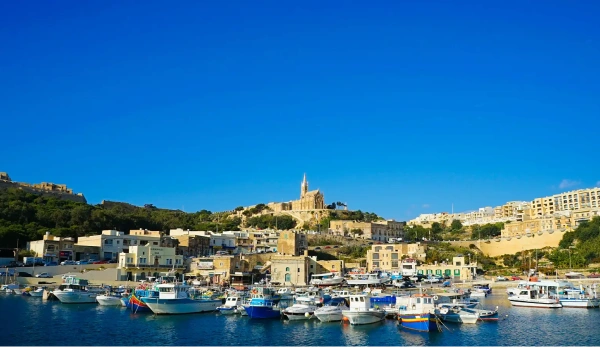
- Malta - permanent residence through a combination of property, purchased or rented, and government contributions
The common thread across Europe is not speed but destination: Schengen mobility, world-class education and long-term stability.
Can you still buy EU citizenship directly?
No. In April 2025 the European Court of Justice ruled that Malta's investor-citizenship scheme - the last of its kind in the EU - breached EU law, and it has closed to new applicants. The realistic European path today is residence by investment first, followed by ordinary naturalisation for those who build a genuine life in the country.
What does the UAE Golden Visa offer instead of a passport?
Not every programme is selling citizenship. The UAE Golden Visa offers a renewable 10-year residence - most commonly through AED 2 million (approximately US$545,000) in property - with family included and no employer or sponsor required. There is no personal income tax in the UAE, though businesses should note the 9% federal corporate tax on profits that now applies. For many entrepreneurs across the Gulf, Africa and South Asia, a secure long-term base of this kind proves just as valuable as a second passport - sometimes more so.
Which newer programmes should be on your radar?
The Pacific and Africa are where the industry is evolving fastest - and where careful advice matters most.
Vanuatu remains one of the fastest citizenship routes, with processing measured in months. But be clear-eyed about its travel value: the EU fully suspended Vanuatu's Schengen visa waiver in December 2024, and the UK withdrew visa-free access in 2023. Its appeal today is speed and a legitimate backup option, not European mobility.
Naoero launched its Economic and Climate Resilience Citizenship Programme under 2024 legislation, with contributions from approximately US$90,000 under time-limited pricing to the end of 2026 and processing in around three months. São Tomé & Príncipe issued its first citizenship-by-investment passports in January 2026, with reported contributions from approximately US$90,000. Both are young programmes with short track records - worth watching, best approached with thorough advice
Which programmes cover the Americas and Asia?
- Türkiye - citizenship for US$400,000 in real estate, bridging Europe and Asia with one of the strongest passports in its price class
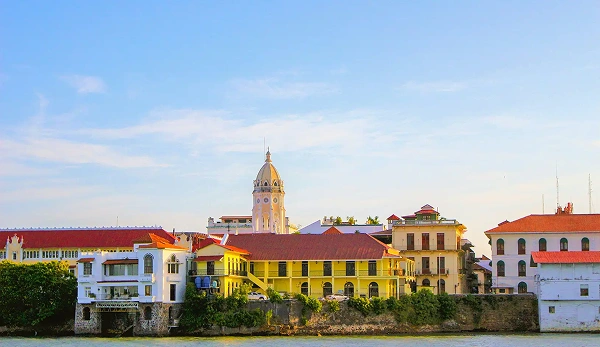
- Panama - the Qualified Investor visa grants permanent residence from US$300,000 in real estate, a reduced threshold that has been extended but is not guaranteed to last
- Thailand - the Thailand Privilege programme offers five-to-twenty-year long-stay visas with membership fees from THB 650,000; note this is a fee, not a recoverable investment
- USA - the EB-5 programme leads to a green card for US$800,000 invested in a job-creating project in a Targeted Employment Area, on multi-year timelines
How do you choose the right programme?
Start with the outcome, not the country. The decisive questions are consistent: do you need a second passport, or is long-term residency enough? Which visa-free access genuinely matters for your life and business? Are you planning for your children's education, an eventual relocation, or pure contingency?
A Caribbean passport, a European residence permit and a Gulf base solve different problems - and many families sensibly combine them over time. If you are earlier in your thinking, our guides to what a second passport really means and how property investment can lead to European residency are useful next steps.
Frequently asked questions
Can you still obtain citizenship by investment without visiting the country?
Increasingly, no. As of July 2026, mandatory interviews - in person or by video - apply across the Caribbean programmes, St Kitts & Nevis requires biometric enrolment. A few remote options remain elsewhere, but the clear direction of travel is towards visits, interviews and deeper due diligence.
What is the cheapest citizenship by investment programme in 2026?
Newer entrants Naoero and São Tomé & Príncipe advertise contributions from approximately US$90,000, but both launched recently and have shorter track records. Remember that total costs always exceed the headline figure once government fees and due diligence are included.
Do Caribbean passports include visa-free access to the UK and Europe?
All four Caribbean programmes currently include visa-free access to the Schengen Area. UK access varies: St Kitts & Nevis, Grenada, Antigua & Barbuda and St Lucia retain theirs as of July 2026. Visa-waiver arrangements do change, so verify the current position before committing
Is citizenship by investment still available in the European Union?
No. The European Court of Justice ruled Malta's investor-citizenship programme unlawful in April 2025, closing the EU's last direct route. What remains is residence by investment - in Greece, Portugal, Cyprus, Hungary, Latvia and Malta - which can lead to citizenship through ordinary naturalisation for those who genuinely make the country home.
How long does investment migration take?
As of July 2026, the fastest citizenship approvals run at roughly three to eight months - Naoero, Vanuatu, St Kitts & Nevis and Türkiye - while Antigua & Barbuda and St Lucia are currently running longer. Residence permits are generally quicker, often two to six months, though Portugal's processing backlog stretches towards a year in practice.
Speak to Passport Legacy
The right programme is a personal decision, and headline figures never tell the whole story. Our advisory team guides families through every citizenship and residence programme covered here, from eligibility to approval. Contact us for a confidential, obligation-free consultation.








.webp)























.webp)


.webp)









.webp)

.webp)
.webp)



.webp)



















.webp)
.webp)