Yes - you can still obtain European residency by buying property, but only in a handful of countries. As of July 2026, Greece (from €250,000 in specific cases, typically €400,000–€800,000), Cyprus (from €300,000), Latvia (from €250,000 plus a state fee) and Malta (property plus contributions) operate property-linked routes. Spain closed its golden visa in April 2025, and Portugal removed its property option in 2023.
At a glance
- As of July 2026, Greece, Cyprus, Latvia and Malta still link residency to property; Spain's golden visa closed in April 2025 and Portugal dropped property in October 2023.
- Entry points range from €250,000 (Latvia, and Greece's conversion carve-out) to €800,000 in Greece's prime zones.
- A golden visa grants residency, not citizenship - and Schengen travel of 90 days in any 180, not the right to live anywhere in the EU.
- Buying property alone is never enough: due diligence, source-of-funds checks and holding periods apply everywhere.
- The UAE Golden Visa (AED 2 million in property) is the leading comparator outside Europe.
What is a golden visa?
A golden visa is a residence-by-investment programme through which a government grants residency to applicants who make a qualifying investment in the country's economy - most famously a real estate purchase, though regulated funds, business investment and donations also feature.
Instead of qualifying through employment or family connections, you qualify through capital. Property has historically been the most recognised pathway, which is why golden visas are so often associated with buying a home abroad. But purchasing property alone does not automatically grant residency: every programme has its own legal framework, eligibility criteria, investment thresholds and compliance requirements. That distinction matters more today than ever.
Can you really get European residency by buying property?
Yes - but in fewer places than a decade ago, and only under specific conditions.
The landscape has changed materially. Spain closed its golden visa entirely on 3 April 2025. Portugal removed real estate from its Golden Visa in October 2023 - the programme itself continues through regulated investment funds from €500,000, while the D7 and D8 visas now serve those with passive income or remote work rather than investment capital. Across Europe, governments have re-aligned programmes with housing priorities and tighter regulatory standards.
So the useful question is no longer "does Europe offer golden visas?" It is: which countries still accept property, and on what terms?
Which European countries still offer property-linked residency in 2026?
As of July 2026, four programmes stand out.
Greece runs a tiered system: €800,000 in prime zones including Athens, Thessaloniki, Mykonos, Santorini and the larger islands; €400,000 in most other areas; and a €250,000 route reserved for commercial-to-residential conversions and restorations of listed buildings. On the two main tiers the property must be a single asset of at least 120 square metres, and short-term letting is prohibited. There is no minimum stay requirement to keep the permit
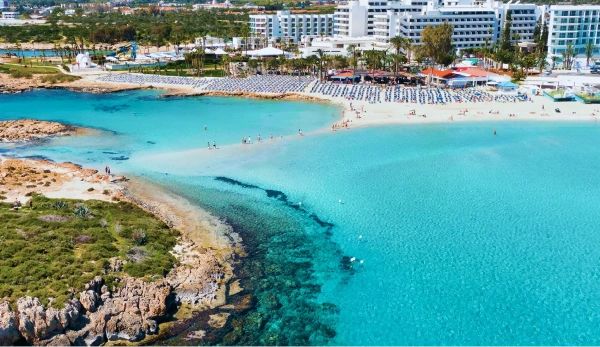
Cyprus grants permanent residence for €300,000 plus VAT in qualifying property, alongside evidence of secure annual income from abroad. The permit is permanent from the outset, making it one of Europe's most straightforward property routes.
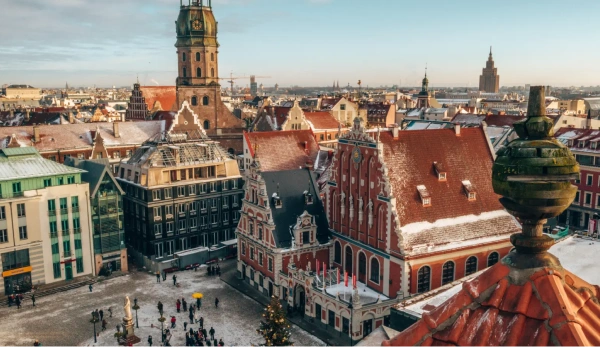
Latvia remains Europe's lowest property entry point at €250,000 plus a 5% state fee. Be aware that legislation to curtail the route is under active discussion in 2026; applications lodged under current rules are expected to be honoured, but timing matters.
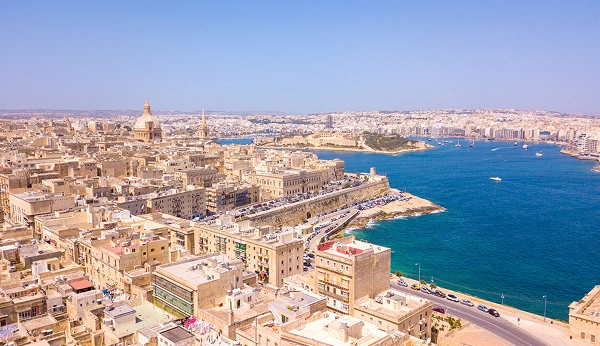
Malta takes a hybrid approach through its permanent residence programme: property purchased from €375,000, or rented from €14,000 a year, held for five years - combined with a €37,000 government contribution, €60,000 in administrative fees, a small donation and proof of qualifying assets.
| Country |
Property route (from) |
Status as of July 2026 |
| Greece |
€250,000 conversions/restorations; €400,000–€800,000 standard tiers |
Open |
| Cyprus |
€300,000 + VAT |
Open |
| Latvia |
€250,000 + 5% state fee |
Open - reform under discussion |
| Malta |
€375,000 purchase or €14,000/year rental, plus contributions |
Openn |
| Portugal |
Property removed October 2023 - funds from €500,000 |
Open (non-property) |
| Spain |
Programme closed |
Closed 3 April 2025 |
How does the UAE Golden Visa compare?
For many of our clients across the Gulf, Africa and South Asia, the most relevant comparator sits outside Europe. The UAE Golden Visa grants a renewable 10-year residence for AED 2 million (approximately US$545,000) in property, with family included, no sponsor required and the flexibility to spend long periods outside the country without losing status.
The trade-off is clear: the UAE offers an immediate, tax-efficient base in a global business hub, while European permits offer Schengen access and a potential long-term path towards EU citizenship. Many families ultimately hold both.
What does a golden visa actually give you - and what doesn't it?
This is where expectations need setting, and where honest advice earns its keep.
- Residency is not citizenship. A golden visa is a residence permit - the right to live in the issuing country, renewable while you meet the conditions.
- Schengen travel means 90 days in any 180-day period in other member states. Your right to live, work and study full-time applies only in the country that issued the permit.
- Citizenship comes later, if at all. Greece requires around seven years of genuine residence before naturalisation. Portugal's nationality law was amended in 2026, extending the standard qualifying period from five years to between seven and ten depending on nationality - confirm the current rules before planning around any timeline.
- Permits carry obligations: hold the investment for the prescribed period, renew on schedule and remain compliant throughout.
Is buying property enough on its own?
No - and this is the most common misconception we correct. The purchase is one component of a broader application, and approval is never automatic. Applicants are generally required to satisfy further requirements, including:
- Demonstrating the legal source of investment funds
- Completing comprehensive due diligence and background checks
- Meeting programme-specific documentation requirements
- Maintaining the investment for a prescribed period
- Complying with ongoing residency obligations where applicable
Each country's framework differs, which is why professional guidance before the purchase - not after - is essential.
How do you choose the right route?
Not every programme suits every applicant. Entrepreneurs tend to prioritise market access and banking; retirees look at healthcare and lifestyle; families weigh schools and universities; investors focus on asset quality and exit options. The right programme follows from your objectives, not from a league table.
It also pays to look sideways before deciding. Our comparison of every major citizenship and residency programme in 2026 sets the property routes in context, and if you qualify through income or remote work rather than capital, our guide to digital nomad, retiree and investor residency paths covers the alternatives.
Frequently asked questions
Does buying property in Europe give you citizenship?
No. Property-linked programmes grant residency, not citizenship. Naturalisation is a separate process requiring years of genuine residence - around seven in Greece, and between seven and ten in Portugal following its 2026 nationality-law changes - plus language and integration requirements in most countries. A golden visa can start that journey, but it never replaces it.
Which is the cheapest golden visa in Europe?
As of July 2026, Latvia's €250,000 property route (plus a 5% state fee) and Greece's €250,000 conversion-and-restoration carve-out are the lowest entry points. Greece's standard tiers run €400,000–€800,000 and Cyprus starts at €300,000. Always budget beyond the headline: taxes, government fees and professional costs add materially to every programme.
Can I live anywhere in the EU with a golden visa?
No. A residence permit gives you full rights only in the issuing country. Elsewhere in the Schengen Area you may travel visa-free for up to 90 days in any 180-day period, but you cannot settle, work or enrol children in school long-term in another member state on that basis.
Is the Portugal Golden Visa still available?
Yes - but not through property. Real estate was removed in October 2023, and the programme now runs primarily through regulated investment funds from €500,000. Applicants seeking Portuguese residency without an investment can consider the D7 visa, based on passive income, or the D8 digital nomad visa. Processing backlogs remain a practical consideration.
Can I rent out a golden visa property?
It depends on the country. Greece prohibits short-term holiday letting of golden visa properties, with significant penalties, though long-term letting is generally permitted. Cyprus, Latvia and Malta each apply their own conditions on use and letting. Treat rental income as a secondary benefit, and confirm the rules for your specific programme before purchase.
Speak to Passport Legacy
Property-linked residency rewards careful planning - the right country, the right asset and the right timing rarely align by accident. Our advisory team guides clients through every residence-by-investment programme covered here, from eligibility assessment to approval. Contact us for a confidential, obligation-free consultation.







.webp)





















.webp)


.webp)









.webp)

.webp)
.webp)



.webp)



















.webp)
.webp)