The most rewarding second-home destinations for 2026 are often the least discussed. Panama, Thailand, Cyprus, Latvia, Hungary, Türkiye and Grenada each combine genuine liveability with a formal residence or citizenship programme - from Latvia's €250,000 residence route to Türkiye's US$400,000 citizenship threshold - giving families a base, and in some cases a passport, beyond the familiar markets of Portugal and Malta.
At a glance
- Seven destinations pair everyday liveability with live, verifiable programmes as of July 2026.
- Entry points: Latvia and Hungary from €250,000, Cyprus from €300,000, Grenada from US$235,000, Türkiye citizenship from US$400,000.
- Panama's US$300,000 Qualified Investor property threshold is scheduled to rise after October 2026.
- Türkiye and Grenada are second homes that can also carry citizenship for the whole family.
- The framework: choose the life first, then the programme that secures it.
Why look beyond Portugal and Malta in 2026?
The traditional favourites earned their status - but the ground has shifted. Portugal removed property purchases from its golden visa in October 2023, Spain closed its programme in April 2025, and Malta's citizenship-by-investment framework was ended by a European Court of Justice ruling in April 2025, though its residence options continue. Greece remains a deserved favourite, yet its prime zones now require €800,000, with €400,000 elsewhere - our guide to Europe's golden visas covers what remains in detail.
Buyers are also more discerning: families weigh healthcare and schools alongside climate, entrepreneurs weigh connectivity alongside price. A second home is increasingly somewhere to spend part of the year, anchor a business or eventually retire - and judged on those terms, a wider field of destinations looks quietly excellent.
Panama: two routes and a closing window
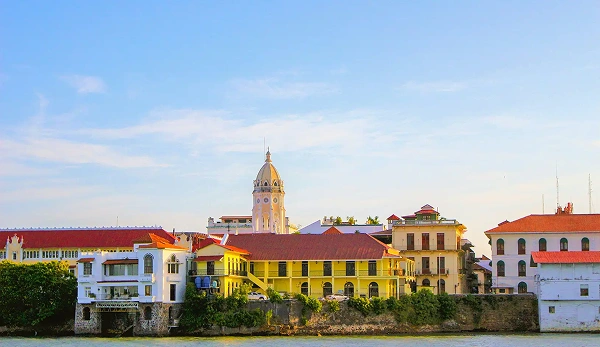
Panama offers something rare in the Americas: a US-dollar economy, a territorial tax system that leaves most foreign income untaxed, and a hub airport connecting both hemispheres. Within two hours of Panama City lie highland coffee towns and both Pacific and Caribbean coastlines.
Two programmes make it practical. The Pensionado programme grants residence with a lifetime pension of US$1,000 per month, plus legislated discounts on healthcare and daily living. The Qualified Investor visa grants permanent residence with a real-estate investment of US$300,000 as of July 2026 - a threshold scheduled to rise to US$500,000 after October 2026, which makes this a genuine deadline rather than marketing urgency. Both are detailed on our Panama residence page.
Thailand: long stays, light commitment
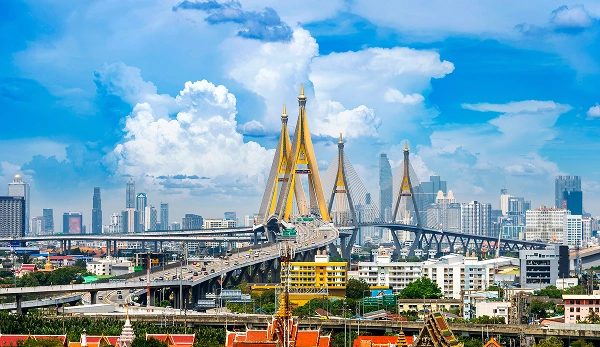
Thailand's appeal is practical as much as scenic: internationally accredited private hospitals at a fraction of Western costs, deep expatriate infrastructure from Bangkok to Chiang Mai and Phuket, and a cost of living that stretches a retirement or remote income. Foreign buyers can hold condominiums freehold within building quotas, making a lock-up-and-leave base straightforward.
The Destination Thailand Visa (DTV) suits second-home owners who do not want to emigrate: five years, multiple entries, stays of up to 180 days at a time, with evidence of about THB 500,000 (approximately US$15,000) in funds as of July 2026. Retirees and wealthier applicants can step up to Thailand's 10-year Long-Term Resident options. Our Thailand residence page compares the routes.
Cyprus: permanent residence from €300,000
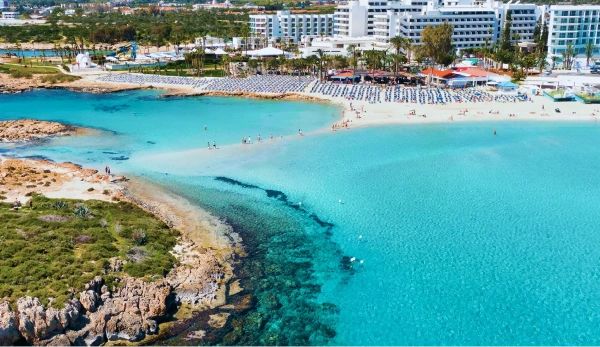
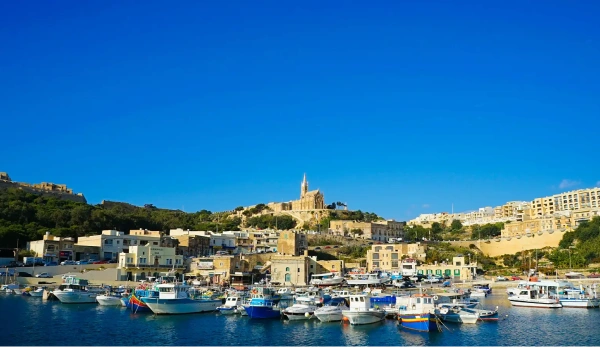
Cyprus combines EU membership with an English-speaking business culture, a common-law legal heritage and one of the Mediterranean's most attractive tax regimes for new residents. Limassol and Paphos offer established international schools and a large resident expatriate community, while property prices remain well below Western Europe's prime coastal markets.
The programme is simple: permanent residence through the purchase of a new residential property from €300,000 plus VAT, supported by secure annual income from outside Cyprus (from approximately €50,000 for the main applicant, as of July 2026). The permit is granted for life, and maintaining it requires only a visit once every two years. Full criteria are on our Cyprus residence page.
Latvia: Europe's quiet €250,000 entry point
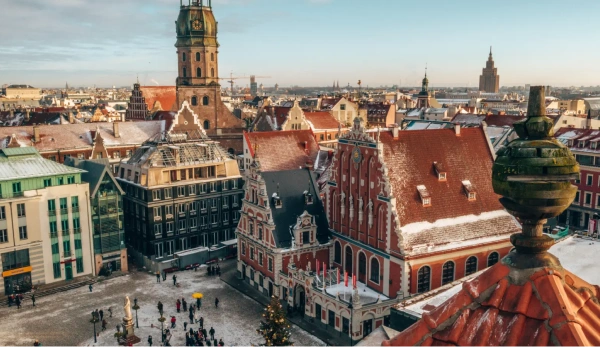
Latvia rarely features on second-home shortlists, which is precisely the opportunity. Riga has one of Europe's finest Art Nouveau centres and a fast-growing tech economy, the beach resort of Jūrmala sits 25 minutes away, and property prices are among the lowest of any EU capital region. Residence brings Schengen mobility across the bloc.
Latvia's residence-by-investment programme grants a renewable five-year permit with a real-estate purchase from €250,000 plus a 5% state fee, as of July 2026 - one of Europe's most accessible property-linked routes, though eligibility restrictions currently apply to some nationalities. A lower-cost business investment route also exists. See our Latvia residence page for current conditions.
Hungary: the Guest Investor Programme
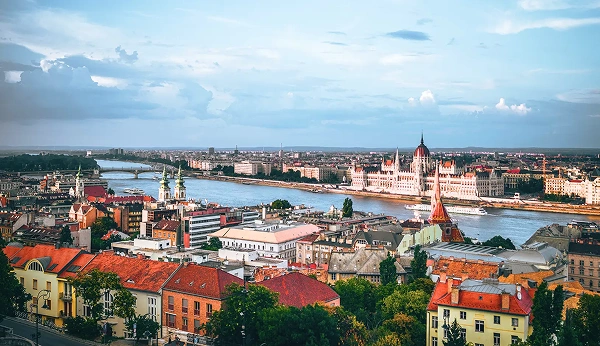
Budapest offers a capital-city lifestyle - opera, thermal baths, a UNESCO-listed riverfront - at costs well below Vienna or Munich, with Central Europe reachable by direct rail and two-hour flights. For families wanting an EU base with real urban substance, Hungary is one of 2026's most interesting arrivals.
The Guest Investor Programme, launched in 2024, grants a 10-year renewable residence permit for an investment of €250,000 in approved real-estate fund units, with spouses and children included. Note that the direct property-purchase option was withdrawn before launch - the regulated fund route is the programme. Our Hungary residence page explains how the funds are regulated.
Türkiye: a second home that carries a passport
Straddling Europe and Asia, Türkiye offers world-city energy in Istanbul, Aegean and Mediterranean coastlines around Bodrum and Antalya, and one of the world's best-connected airports. Value per square metre in prime districts remains striking by European standards
It is also the rare second home that can make you a citizen. Türkiye grants citizenship by investment for a real-estate purchase of US$400,000, held for three years, with spouse and minor children included, as of July 2026. There is no requirement to relocate first. Whether you can hold Turkish citizenship alongside your existing passport depends on your current nationality - India, China and Saudi Arabia restrict dual citizenship - so structure matters. Our Türkiye citizenship page sets out the process.
Grenada: island life with a US treaty attached
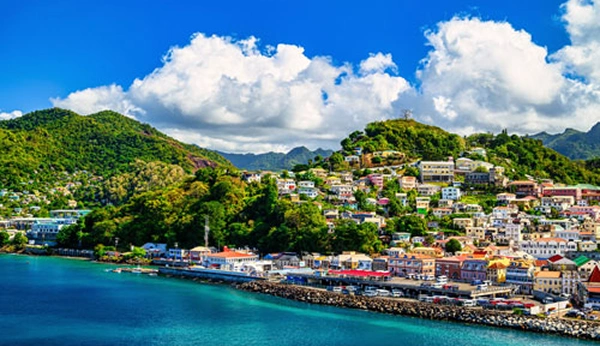
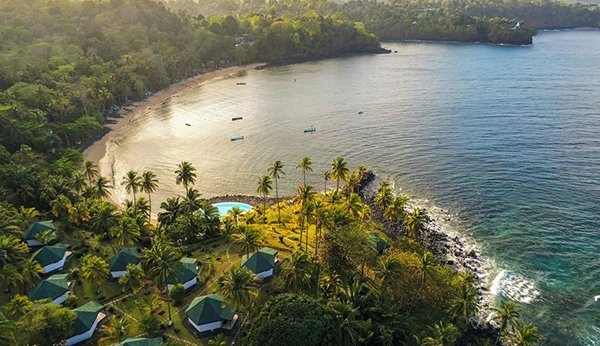
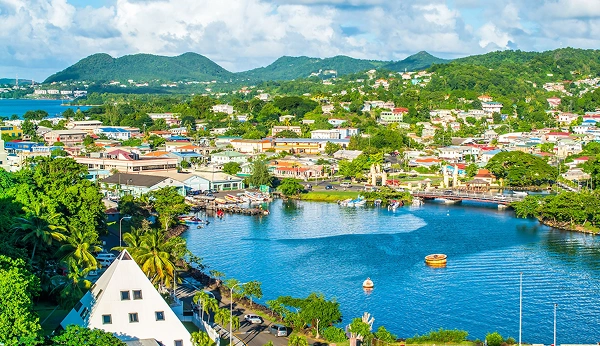
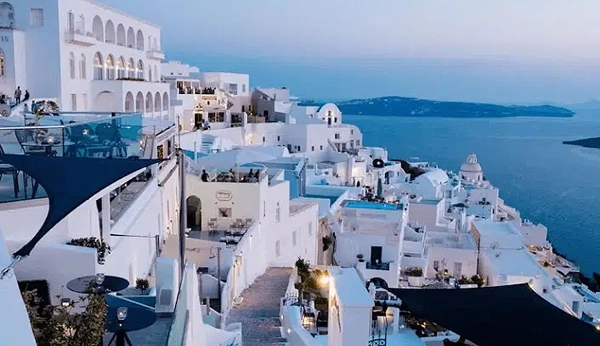
Grenada is the Caribbean before the crowds: a sailing and diving culture, rainforest interior, and a property market centred on a handful of high-quality resort developments. St George's University anchors a year-round international community.
Its citizenship-by-investment programme offers two routes as of July 2026: a US$235,000 contribution to the National Transformation Fund for a family of up to four, or approved real estate from approximately US$270,000 plus fees. Distinctively, Grenada holds an E-2 investor-visa treaty with the United States, so citizens can apply to live and run a business there. Details are on our Grenada citizenship page.
How should you choose between them?
Start with purpose, not price. A base for 180-day winters points to Thailand or Panama; an EU foothold for schooling and Schengen travel points to Cyprus, Latvia or Hungary; a second passport for long-term flexibility points to Türkiye or Grenada. Our guide to choosing between nomad, retiree and investor routes walks through the decision persona by persona. Thresholds move - Panama's October 2026 deadline shows how quickly - so confirm current rules before committing.
Frequently asked questions
What makes a second-home destination "underrated"?
An underrated destination is one whose quality of life, stability and connectivity outstrip its profile among international buyers - and where a formal residence or citizenship programme still offers accessible entry. In practice that means places like Latvia at €250,000 or Grenada at US$235,000, which deliver liveability comparable to famous markets at a fraction of the entry cost, as of July 2026.
Which second homes can also lead to citizenship?
Türkiye is the clearest case: a US$400,000 property purchase, held for three years, qualifies a family for citizenship as of July 2026. Grenada grants citizenship alongside approved real estate from about US$270,000, or a US$235,000 fund contribution. Elsewhere on this list, residence can mature into citizenship only through naturalisation - several years of genuine residence and integration in the country.
What is the most affordable residence-by-investment route in Europe right now?
Among property-linked routes, Latvia's €250,000 threshold is one of Europe's most accessible as of July 2026, followed by Cyprus permanent residence from €300,000 plus VAT. Hungary's Guest Investor Programme also starts at €250,000, through regulated fund units rather than direct property. Compare total costs - state fees, VAT and professional fees differ - rather than headline minimums alone
Do I have to live in these countries to keep my residency?
Mostly, no. Cyprus asks permanent residents to visit only once every two years, Hungary's 10-year permit carries no continuous-stay requirement, and Panama expects only periodic visits to keep residence active. Thailand's DTV works differently - each stay is capped at 180 days rather than requiring residence. If your eventual goal is citizenship through naturalisation, however, expect much stricter physical-presence tests.
Is buying property abroad enough to get residency on its own?
No. Ownership alone rarely confers the right to remain - residence comes through a programme with its own thresholds, due diligence and documentation, and some countries offer no property-linked route at all. That is why we structure the purchase around the programme from day one: a home in Cyprus, Latvia or Türkiye can anchor residence or citizenship, but only if it is bought to qualify.
Speak to Passport Legacy
The right second home depends on your family, your nationality and what you want the property to do for you - and thresholds like Panama's US$300,000 window will not wait indefinitely. Book a confidential consultation with our advisory team, or compare every programme on our residence-by-investment hub to see where your shortlist should start.





.webp)


















.webp)


.webp)









.webp)
.webp)
.webp)



.webp)


















.webp)
.webp)