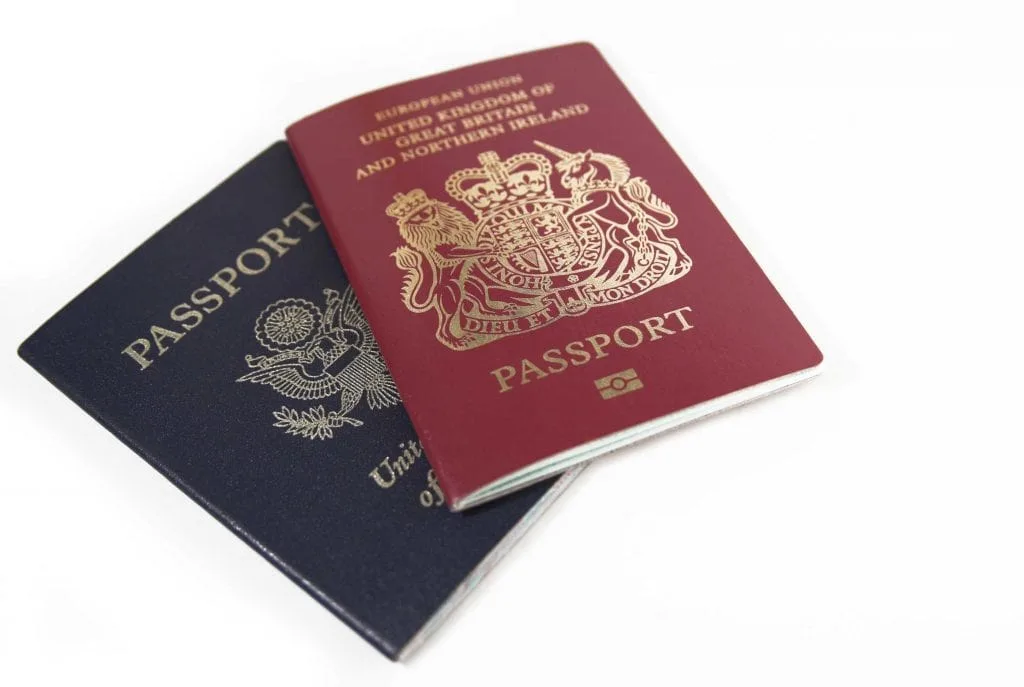
As global connectivity increases, many people consider the benefits and complications of dual citizenship. Dual citizenship, often known as dual nationality, is an individual’s legal position as a citizen of two nations.
This approach has become more prevalent due to globalisation, evolving immigration regulations, and the growing desire for international mobility and opportunity.
Dual citizenship is a multi-dimensional legal and lifestyle advantage with far-reaching outcomes—from expanded travel freedom to economic and cultural opportunities.
In this guide, we explore six interesting facts about dual citizenship and its benefits, helping you evaluate how obtaining a second nationality can support your long-term personal and professional growth.
1. Rising Dual Citizenship Worldwide
Why Is Dual Citizenship Becoming More Popular?
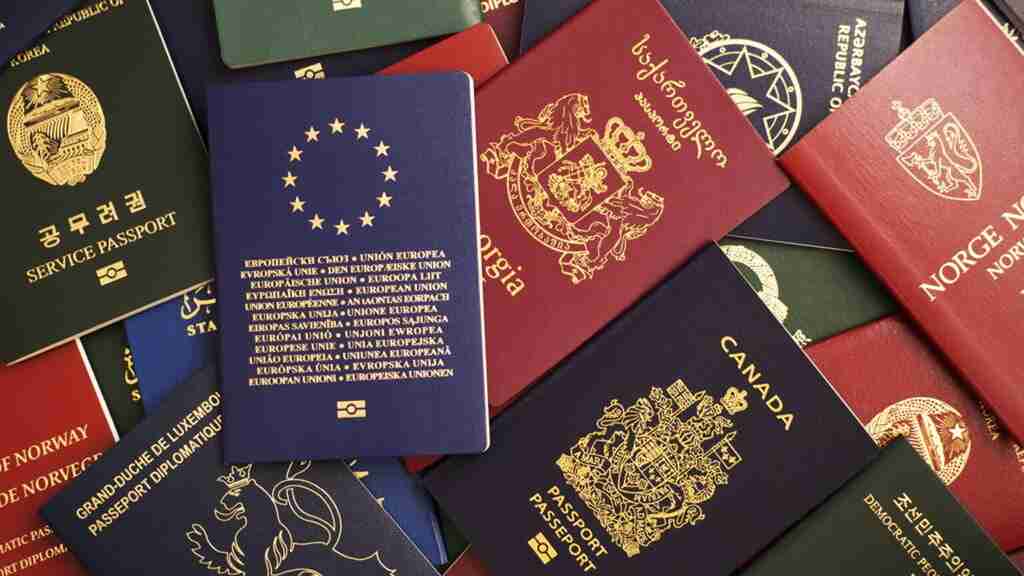
Dual citizenship has seen a remarkable global rise and is gaining attention from both governments and individuals seeking mobility, security, and opportunity.
High Popularity Worldwide
One of the primary drivers is greater travel flexibility.
Dual citizenship allows individuals to:
Travel with fewer visa restrictions
Enter more countries with ease
Experience new cultures without long immigration procedures
Work or study abroad without additional permits
Does dual citizenship improve global mobility? Yes, holding two passports often increases visa-free travel options and reduces administrative barriers.
Clarifying myths helps individuals make informed decisions.
Incorrect Legal Implications
Dual citizenship does not automatically create conflicting obligations. Each country defines its own rights and responsibilities.
Loyalty Concerns
Dual citizens often maintain strong ties to both nations and can support diplomatic and cultural exchange.
Complexity in Obtaining Dual Citizenship
The process varies by country but is often more accessible than assumed through:
Ancestry
Marriage
Naturalisation
Investment
Taxation Issues
Many countries have double taxation avoidance treaties.
Professional tax advice is recommended for compliance.
Social Security Effects
Eligibility typically depends on:
Work history
Contributions
National agreements
Dual citizens may qualify for benefits in more than one country under certain conditions.
6. Legal Considerations for Dual Citizenship
What Legal Factors Should You Review First?
Understanding legal frameworks is essential before applying.
International Treaties and Conventions
Some countries rely on:
Domestic nationality laws
Bilateral agreements
International conventions
These influence how dual citizenship is recognised.
National Security Considerations
Certain sensitive roles may restrict dual citizens. However, dual nationality can also strengthen international cooperation.
Renunciation of Citizenship
In some cases, individuals must renounce one citizenship to obtain another.
This decision may affect:
Property rights
Tax obligations
Family status
Passport-Related Issues
Some countries require dual citizens to:
Enter and exit using their national passport
Follow specific visa rules
Staying informed prevents travel disruptions.
Dual Citizenship Unveiled: An Expanding World of Opportunity
Dual citizenship expands possibilities by allowing individuals to live, work, and study in two countries.
It can also improve access to:
Social services
Healthcare
Education
Global career paths
Beyond legal advantages, dual nationality strengthens cultural connection and global cooperation.
Ultimately, dual citizenship helps individuals maximise both personal freedom and professional potential while contributing meaningfully to the global community.
Consider the advantages and explore your eligibility to benefit from greater mobility, security, and opportunity.
Contact Passport Legacy to explore suitable dual citizenship pathways for your goals.
FAQs
What is dual citizenship, and how does it differ from multiple citizenship?
Dual citizenship refers to a person being a legal citizen of two countries at the same time and receiving all the rights and duties of both. On the contrary, multiple citizenship means that a person is a citizen of more than two countries, which can lead to complications in terms of legal and tax obligations.
What are the most common ways to obtain dual citizenship?
Naturalization, descent or ancestry, marriage to a foreign national, birthplace (jus soli), and citizenship-by-investment are some of the most common types of obtaining dual citizenship. Each method has its own set of requirements, and these may vary significantly from one country to another.
Does holding dual citizenship affect taxes or legal responsibilities?
Each country’s law will govern the taxation of dual citizen. Certain countries have tax treaties that eliminate the need to pay tax in both places, while others might require dual citizens to report all their income globally. To avoid any issues, it is best to consult a tax advisor who understands the rules in both countries.
Which countries allow dual citizenship, and are there any restrictions?
A good number of countries, including Canada, the UK, Australia, Malta, and St. Kitts & Nevis, are open to dual citizenship. It is wise to verify the citizenship regulations of both countries before applying so as to ascertain that you are eligible and that the process is compliant.
Latest Articles
Know more about Passport Legacy through our articles
Articles
Greece or Portugal? Choosing a Golden Visa After Portugal's Ten-Year Rule
Portugal now requires ten years of residence for citizenship; Greece requires seven. How the two golden visas compare in 2026 on cost, property, presence, tax and the path to an EU passport.
St Kitts and Nevis Citizenship by Investment in 2026: Cost, Timeline and Eligibility
What St Kitts and Nevis citizenship costs in 2026, how long it takes, who qualifies, and why the oldest Caribbean program is not on the US proclamation list.
Passport Legacy is a trusted residence and citizenship by an investment firm recognized for delivering best immigration services globally. Passport Legacy specializing in citizenship and residence by investment programs, comprises internationally licensed lawyers, investment advisors, and immigration experts. Our dedicated team of professionals are recognized for delivering the best dual citizenship,passport and visa services. Trust Passport Legacy to be your reliable partner to support on your path to a successful global future.
Citizenship by Investment
We offer a diverse range of Citizenship by Investment programs –
What is the difference between citizenship and residency by investment programmes?
Citizenship by investment programmes may not require physical residency and can grant citizenship within 2 to 6 months. Residency by investment programmes grant residency within 3 months but not citizenship. To obtain citizenship through residency programmes, applicants must comply with legal requirements, such as residing in the country for a certain time and paying taxes. However, not all residency programmes lead to citizenship, as it's at the discretion of the government.
How much does it cost to apply for a second passport?
The minimum investment for a second citizenship by a single applicant is USD 100,000 which is the cost associated for for St. Lucia and the Commonwealth of Dominica's CBI programmes. Please contact us for an exact price breakdown.
Do we need to pay the full amount upfront?
Passport Legacy's CBI programmes require payment in three installments. The first payment is 5%, the second payment is 25%, and the final payment, which amounts to 70% of the total cost, is due after receiving Approval in Principle.
What documents are required?
To start the process, applicants need to provide us with KYC (know your customer) documents such as a passport copy, birth and marriage certificates, police certificates, bank reference, and health clearance. Some documents may require translation or legalisation, but our client advisors will guide you through the process.
Do I need to renounce my original passport?
Acquiring a second citizenship by investment in any country does not usually require renouncing one's original nationality under the citizenship law of the country where citizenship was obtained through investment.
How do I book an appointment for a consultation?
You can reach us by phone or email anytime. We currently have offices in the UAE (Dubai), Switzerland (Zurich), Nigeria (Lagos & Abuja), Lebanon (Beirut), Singapore, Pakistan (Lahore), Egypt (Cairo), Malaysia (Kuala Lumpur) and The Philippines (Manila).
Join Our WhatsApp Community
Scan the QR code to join.
This is an official community group. Your privacy is our priority.
Start Your Global Legacy
Take the first step toward securing your global mobility with a trusted advisory team dedicated to discretion and long-term strategy. Reach out with any questions, and a member of the team will be in touch.










.webp)






























.webp)


.webp)




















.webp)



















.webp)
.webp)