When Spain closed its Golden Visa route in April 2025, it didn’t end European residency by investment - it changed the market.
At the time, I remember a lot of the conversation being reactive. Investors were asking whether Europe was becoming less welcoming to foreign capital. Advisors were comparing alternatives. Real estate investors were trying to understand where the demand would move. And many families who had been considering Spain suddenly had to reassess their European plans.
Now, with some distance, it’s interesting to step back and look at the bigger picture.
Spain’s closure was not the death of the Golden Visa. It was, however, the end of an era: the era where European residency was often perceived as a lifestyle-led real estate purchase with an immigration benefit attached(largely as an afterthought).
The market that followed is more selective, more strategic, and, in many ways, more serious.
Spain used to be one of those countries that needed very little explanation; clients understood the appeal almost instantly: lifestyle, property, Schengen access, schools, healthcare, famous cities like Madrid, Barcelona, Marbella, and Valencia. It was a simple story.
But after Spain, the conversation became less about one “obvious” destination and more about what the family actually wanted from Europe.
That is a much better conversation.
Spain’s Closure Made ask Better Questions
Before Spain’s Golden Visa ended, many investors were looking at European residency from a simple angle: “Where can I buy property to secure residency?”
Don’t get me wrong, that question still exists - but it’s no longer enough.
Today, I find myself asking clients much more specific questions:
Do you want to actually spend time in Europe, or do you mainly want access?
Is the priority lifestyle, mobility, asset diversification, children’s education, long-term citizenship, or simply a Plan B?
Do you want real estate exposure, or would a fund-based structure make more sense?
Are you planning to relocate, or are you creating optionality?
These questions matter because the European Golden Visa market is no longer dominated by what was once the obvious choice; investors had to look more carefully at Greece, Portugal, Cyprus, Hungary, Malta, and other European residency routes.
Each option has a different personality. Each one suits a different type of client.
In my opinion, that has been one of the most positive outcomes of Spain’s closure. It pushed the market away from lazy comparisons and toward proper planning.
The “Spanish Lifestyle” Demand Didn’t Disappear
One thing I do not believe is that Spain’s closure removed demand for Mediterranean Europe.
The families who were attracted to Spain weren’t attracted only to the visa. They were attracted to the lifestyle: climate, property, safety, schools, food, healthcare, accessibility, and the idea of having a European base that felt both practical and enjoyable.
Demand like that doesn’t just vanish. It moves.
Some of it moved toward Greece. Some moved toward Portugal (even though Portugal’s Golden Visa had already changed significantly after removing real estate as a qualifying route). Some clients began looking more seriously at Cyprus. Others opened conversations around Malta or Hungary, depending on their priorities.
The interesting thing to note here is that investors became more segmented. Instead of everyone asking about the same destination, clients began separating themselves by objective.
The lifestyle buyer started looking at Greece and Cyprus. The long-term European planner looked more closely at Portugal and Malta. The investor who wanted an alternative European route began considering Hungary. The family office or internationally mobile entrepreneur started comparing several options all at once.
And that is where the market went next: not to one single “replacement” for Spain, but to a more diversified European residency landscape.
Greece Became the Most Natural Lifestyle Successor
If Spain was the king of lifestyle-led Golden Visas, then Greece was certainly the heir to the throne.
Before you say it, that does not mean Greece is “the new Spain.” I don’t like that phrase, because it oversimplifies both countries. But there is no denying that Greece does answer some of the same emotional and practical questions that Spain once answered for many investors.
It offers Mediterranean lifestyle appeal, access to the Schengen Area, a strong tourism market, attractive cities & towns, and a real estate-led proposition that many investors understand. For clients who wanted Spain because they liked the idea of owning a physical asset in a desirable European destination, Greece often became the first serious alternative.
But Greece is also a more nuanced market than many people realise.
The investment thresholds are not uniformed across all areas; location matters. A property in Athens, the islands, or other high-demand areas is not the same as a property selected only to meet the minimum requirement. Investors need to understand both the immigration rules and the real estate fundamentals.
I am quite direct with clients on this point: do not buy a weak property for a strong visa.
A Golden Visa can enhance the value of an investment, but it should not be the only reason the investment makes sense. Greece can be a very strong option, but only when the property, location, holding strategy, rental potential, family plans, and residency goals are aligned.
Portugal Became More Strategic Post Real Estate
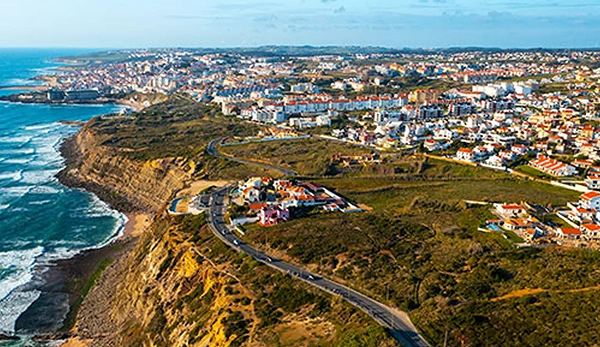
Portugal is an interesting case, because its big change happened before Spain’s closure. By the time Spain closed their Golden Visa, Portugal had already removed real estate as a qualifying investment route, and with that decision, changed the profile of their typical investor.
In the past, Portugal attracted many clients who wanted an accessible European residency route connected to property. Today, the conversations with people interested in Portugal is typically focused on qualifying investment funds and other approved routes. Some investors see that as less attractive (because they wanted the simplicity and emotional appeal of real estate), while others see it as cleaner, more diversified, and more aligned with their financial profile.
My view? Portugal became less obvious, but not less relevant.
For the right client, Portugal is still very much one of Europe’s most important residency options. It has strong international appeal, an attractive lifestyle, a respected jurisdictional profile, and a long-term planning angle that continues to interest families.
Having said that, Portugal is no longer a casual Golden Visa decision; now it requires more thought. Clients need to understand the investment structure, timelines, liquidity, risk profile, and what they are looking to get from Portugal over the long term.
In other words, Portugal moved from a lifestyle property conversation to strategic planning conversation.
Cyprus Gained Attention
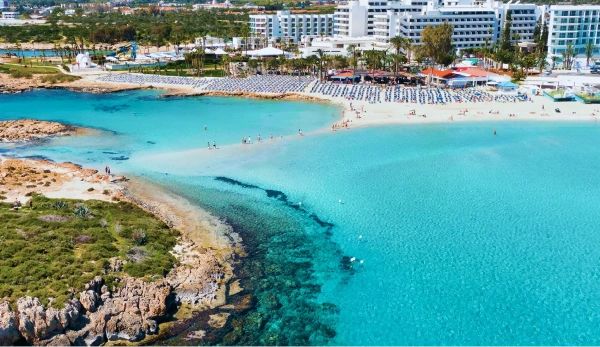
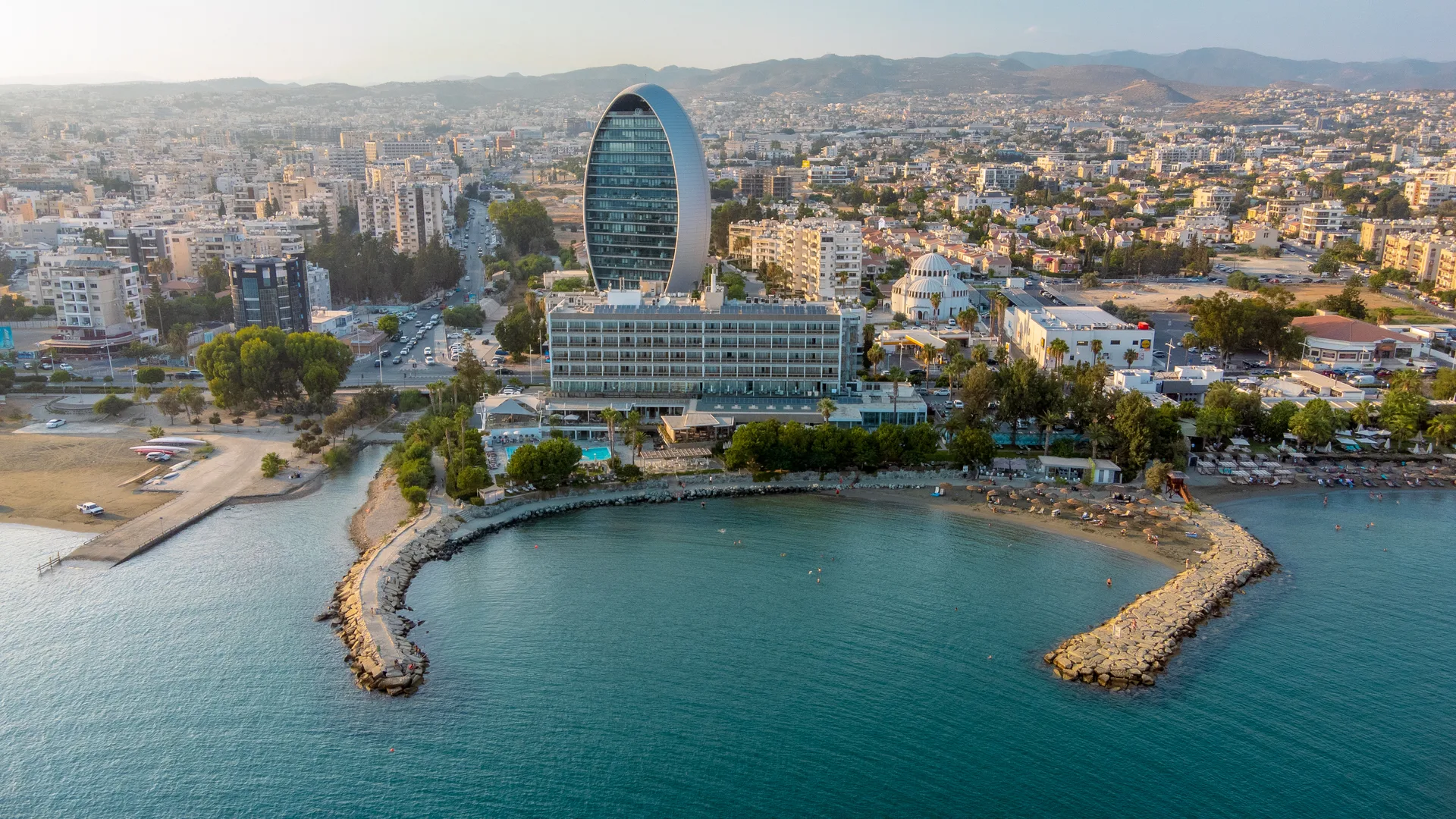
Cyprus has also benefited from the post-Spain reshuffle, particularly among clients who want a European base with strong regional connectivity.
I often find that Cyprus appeals to clients from the Middle East, Africa, South Asia, and beyond because it feels geographically practical. It is European, but also close to key business and family regions. It has a familiar pace for many international investors, an attractive lifestyle, and a business-friendly environment.
Typically, Cyprus is not always discussed with the same intensity as Greece or Portugal, but that doesn’t make it less relevant. In fact, for some clients, it is more relevant.
The appeal of Cyprus is often about practicality; it can work well for families who want a manageable European base, business owners who value regional proximity, and investors who are now considering residency as part of their core wealth and lifestyle structure.
After Spain, I noticed more clients becoming open to options they may not have considered before, and Cyprus was one of those options. Granted, it’s not always the loudest programme in the room, but for the right profile, it can be a very sensible one.
Hungary Emerged as Investors Looked for Alternatives
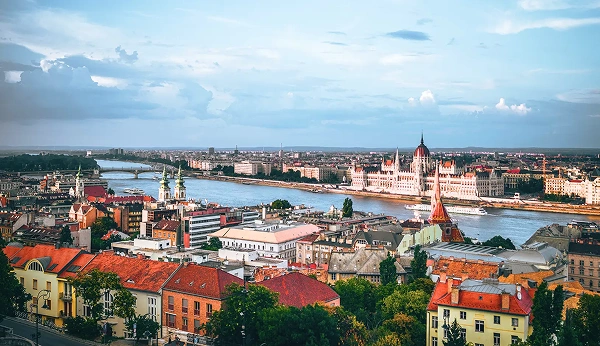
Hungary’s renewed relevance is another sign that the market has become more diversified.
When a major destination like Spain closes, it’s natural for investors to start looking for alternatives – especially options that are not overcrowded. Hungary offers a different type of European proposition. It’s not driven by the same Mediterranean lifestyle appeal as Greece or Cyprus, and it does not carry the same long-running Golden Visa identity as Portugal. But that is exactly why some investors find it interesting.
Hungary’s appeal lies in its access to Central Europe, formal residency route, and practical alternative to the more familiar programmes. For some investors (especially those who are less emotionally attached to a coastal lifestyle destination), Hungary deserves serious consideration.
My opinion is that Hungary’s continued role in the market will depend on how clearly investors understand its purpose – which is where transparent and advisory council comes in. One thing it shouldn’t be viewed as is a universal replacement for Spain. But it isn’t trying to be. For clients who want European residency, diversification, and a less conventional route, it can (and should)be part of the conversation.
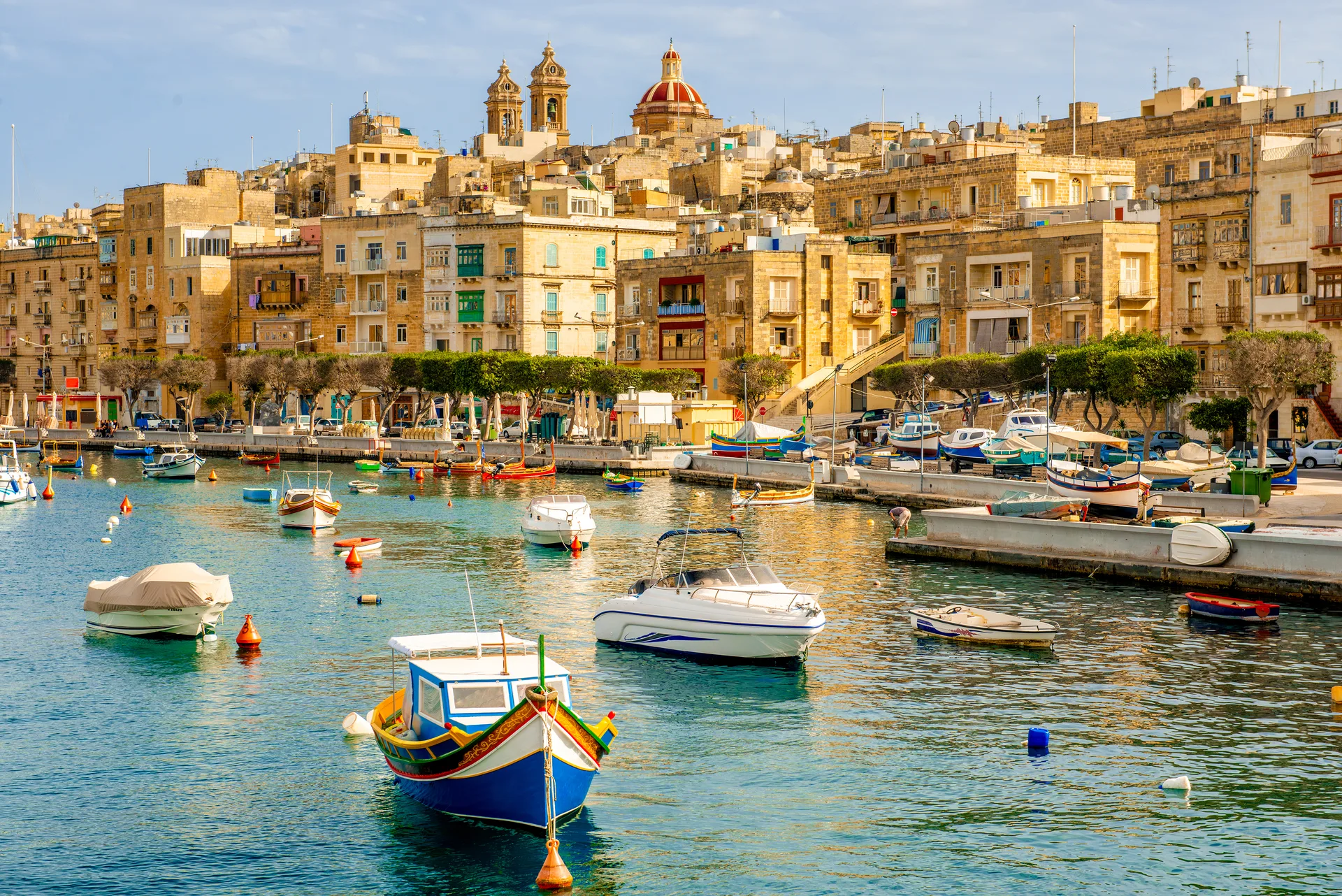
Malta Is a Serious Option, But Not a Casual One
Malta continues to occupy a very specific place in European investment migration.
With an English-speaking environment, strong regulatory framework, European positioning, and a reputation that appeals to clients who value structure and credibility, it does carry weight despite its size.
However, Malta is not always the easiest option to explain because investors often confuse residency, permanent residence, citizenship, tax residence, and physical relocation. These are not the same thing.
That is why Malta requires careful advisory work. For some clients, it can be highly suitable. For others, it may be more structure than they need. The key is understanding what Malta is supposed to achieve within the client’s wider plan.
After Spain, Malta did not become the obvious mass-market replacement. Instead, it remained what it has always been: a serious programme for clients who want a reputable European base and are willing to approach the process properly.
The Biggest Change: Investors Stopped Looking for “The Next Spain”
When Spain closed its programme, the first thing most people were asking was “What is the next Spain?”
I get the question - but I do not think it is the right question.
The truth is, there is no direct replacement for Spain. Greece is not Spain. Portugal is not Spain. Cyprus, Hungary, and Malta are not Spain. Each has its own strengths, limitations, investment logic, residency conditions, and long-term relevance.
The better question is: “Which European residency option fits my life best?”
That is the question that smart investors are asking in 2026.
For one family, Greece may be the right answer because they want a property-led Mediterranean base. For another, Portugal may be more suitable because they want a longer-term European strategy with an eventual path to citizenship. For a business owner, Cyprus may be practical because of location and regional access. For another investor, Hungary may offer a path worth considering. For a client who values structure and reputation, Malta may be the stronger conversation.
This is exactly why I believe the European RBI market is healthier when it’s not dominated by one “obvious” programme.
European Residency Became Intentional
To put it bluntly: the post-Spain Golden Visa market is more intentional.
Investors are thinking more carefully about how residency fits into their family, business, tax, education, lifestyle, and mobility planning.
That is the right direction for the industry.
A European residency permit should not be treated as a trophy asset. It should solve a real problem or create meaningful optionality. It should support a family’s long-term goals. It should be connected to where they may live, invest, educate their children, build businesses, or spend time in the future.
It reminded investors that programmes can change. It showed that politically sensitive real estate routes are not guaranteed to last forever. It forced families to think beyond one country. And it encouraged advisors to stop presenting Golden Visas as simple products and start treating them as planning tools.
In my view, that is where European residency by investment went next.
Not away from Europe. Not away from investor demand. But toward a more mature, selective, and strategic market.
Spain may have closed their door, but the window to Europe very much remains open.
If you’re interested in exploring your European Residency options, or would like to discuss anything you’ve read in this article in more detail, please reach out to me directly at grace.basmaji@passportlegacy.com.
Latest Articles
Know more about Passport Legacy through our articles
Articles
Caribbean Citizenship by Investment in 2026: ECCIRA, the EU's 2028 Letter and the US Proclamation Explained
Three developments reshaped Caribbean citizenship by investment in 2026: a regional regulator, an EU request to end the programs by 2028, and a US entry proclamation that names some Caribbean states and not others. What each means for applicants.
Panama's Qualified Investor Visa: What Changes When the Threshold Rises in October
Panama's Qualified Investor visa has offered permanent residence for a US$300,000 property investment. The real-estate threshold is scheduled to rise in October 2026. What changes, and what stays.
Thailand Privilege Visa 2026: The Bronze Tier Closes on 30 September
Thailand Privilege's entry-level Bronze membership closes to new applicants on 30 September 2026. What the tiers cost, who they suit, and how the DTV and LTR visas compare.
Passport Legacy is a trusted residence and citizenship by an investment firm recognized for delivering best immigration services globally. Passport Legacy specializing in citizenship and residence by investment programs, comprises internationally licensed lawyers, investment advisors, and immigration experts. Our dedicated team of professionals are recognized for delivering the best dual citizenship,passport and visa services. Trust Passport Legacy to be your reliable partner to support on your path to a successful global future.
Citizenship by Investment
We offer a diverse range of Citizenship by Investment programs –
What is the difference between citizenship and residency by investment programmes?
Citizenship by investment programmes may not require physical residency and can grant citizenship within 2 to 6 months. Residency by investment programmes grant residency within 3 months but not citizenship. To obtain citizenship through residency programmes, applicants must comply with legal requirements, such as residing in the country for a certain time and paying taxes. However, not all residency programmes lead to citizenship, as it's at the discretion of the government.
How much does it cost to apply for a second passport?
The minimum investment for a second citizenship by a single applicant is USD 100,000 which is the cost associated for for St. Lucia and the Commonwealth of Dominica's CBI programmes. Please contact us for an exact price breakdown.
Do we need to pay the full amount upfront?
Passport Legacy's CBI programmes require payment in three installments. The first payment is 5%, the second payment is 25%, and the final payment, which amounts to 70% of the total cost, is due after receiving Approval in Principle.
What documents are required?
To start the process, applicants need to provide us with KYC (know your customer) documents such as a passport copy, birth and marriage certificates, police certificates, bank reference, and health clearance. Some documents may require translation or legalisation, but our client advisors will guide you through the process.
Do I need to renounce my original passport?
Acquiring a second citizenship by investment in any country does not usually require renouncing one's original nationality under the citizenship law of the country where citizenship was obtained through investment.
How do I book an appointment for a consultation?
You can reach us by phone or email anytime. We currently have offices in the UAE (Dubai), Switzerland (Zurich), Nigeria (Lagos & Abuja), Lebanon (Beirut), Singapore, Pakistan (Lahore), Egypt (Cairo), Malaysia (Kuala Lumpur) and The Philippines (Manila).
Join Our WhatsApp Community
Scan the QR code to join.
This is an official community group. Your privacy is our priority.
Start Your Global Legacy
Take the first step toward securing your global mobility with a trusted advisory team dedicated to discretion and long-term strategy. Reach out with any questions, and a member of the team will be in touch.










.webp)



























.webp)













.webp)

.webp)
.webp)



.webp)



















.webp)
.webp)