Publications

|

Blogs

Difference between Citizenship and Residency

February 5, 2021

Table of Contents

Although it may sound similar, being a ‘citizen and a ‘resident’ of a country, however, these are two completely different things. If you are planning to migrate to another country, it is necessary for you to be aware of these terms and the various programs on offer to gain entry into the country. Here we discuss in detail the various facets of CBI, residency and Permanent residence programs. Having a thorough understanding of each of these programs can help you effectively utilize the benefits and advantages offered by them.

TEMPORARY RESIDENCY PROGRAMS

Being a country’s resident allows you to reside in the country for one to five years (based on the country’s regulation & visa validity you have opted for). It grants you permission to reside and travel within the country. You will be retaining your home passport’s country and will require exit and re-entry to renew your visa. By residing in a country as a temporary resident for five or more years, some will allow you to apply for permanent residency.

PERMANENT RESIDENCY PROGRAMS

Being a permanent resident of a country allows you to travel and reside in the country. The only difference between this and the permanent residency program is that you will be allowed to reside in the country of your choosing for up to seven years, after which you can usually apply for citizenship. Residence by investment programs are usually more affordable and lower priced compared to CBI programs.

CBI (CITIZENSHIP BY INVESTMENT) PROGRAMS

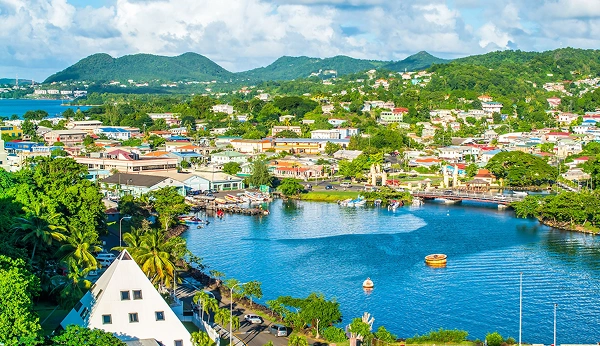
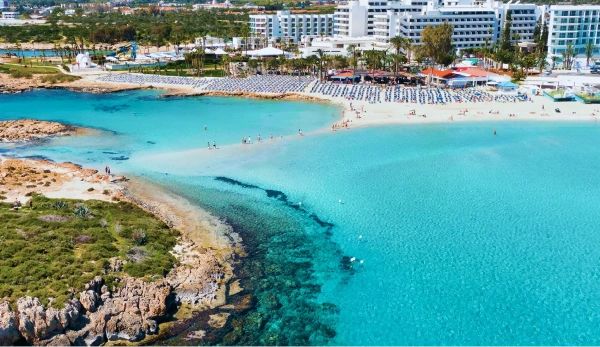
The fastest way to be a citizen of a country is by making an investment to the country’s development. You can opt to donate towards the country’s infrastructure, or buy a government-approved real estate property. Many countries have a set amount that needs to be spent, after which citizenship will be granted. Several countries, such as Malta and Cyprus offer CBI. You will immediately be granted dual citizenship and gain a second passport. Perhaps the best part of being a citizen via a CBI program is that you can enjoy all the perks as those enjoyed by naturalized citizens.

Latest Blogs

Know more about Passport Legacy through our blogs

Blogs

What Are The Foundations of a Strong Residence or Citizenship by Investment Programme?

The investment migration industry is in a state of constant evolution, none more so than over the past decade.

March 12, 2026

Read More

Blogs

Why Rising Tensions in the Middle East Highlight the Value of a Solid Plan B

Over the past few years working in investment migration, one pattern has become more & more clear to me: moments of geopolitical tension always lead people to ask the same question:

March 5, 2026

Read More

Blogs

What Early Demand for São Tomé & Príncipe’s Citizenship Programme Really Tells Us

The first São Tomé & Príncipe passport was recently delivered to an investor, and I believe this (albeit quietly), represented a watershed moment for the citizenship by investment industry.

February 10, 2026

Read More

Other Programs We Offer

Passport Legacy is a trusted residence and citizenship by an investment firm recognized for delivering best immigration services globally. Passport Legacy specializing in citizenship and residence by investment programs, comprises internationally licensed lawyers, investment advisors, and immigration experts. Our dedicated team of professionals are recognized for delivering the best dual citizenship,passport and visa services. Trust Passport Legacy to be your reliable partner to support on your path to a successful global future.

Frequently Asked Questions (FAQ’s)

What is the difference between citizenship and residency by investment programmes?

Citizenship by investment programmes may not require physical residency and can grant citizenship within 2 to 6 months. Residency by investment programmes grant residency within 3 months but not citizenship. To obtain citizenship through residency programmes, applicants must comply with legal requirements, such as residing in the country for a certain time and paying taxes. However, not all residency programmes lead to citizenship, as it's at the discretion of the government.

How much does it cost to apply for a second passport?

The minimum investment for a second citizenship by a single applicant is USD 100,000 which is the cost associated for for St. Lucia and the Commonwealth of Dominica's CBI programmes. Please contact us for an exact price breakdown.

Do we need to pay the full amount upfront?

Passport Legacy's CBI programmes require payment in three installments. The first payment is 5%, the second payment is 25%, and the final payment, which amounts to 70% of the total cost, is due after receiving Approval in Principle.

What documents are required?

To start the process, applicants need to provide us with KYC (know your customer) documents such as a passport copy, birth and marriage certificates, police certificates, bank reference, and health clearance. Some documents may require translation or legalisation, but our client advisors will guide you through the process.

Do I need to renounce my original passport?

Acquiring a second citizenship by investment in any country does not usually require renouncing one's original nationality under the citizenship law of the country where citizenship was obtained through investment.

How do I book an appointment for a consultation?

You can reach us by phone or email anytime. We currently have offices in the UAE (Dubai), Nigeria (Lagos and Abuja), Lebanon (Beirut), Singapore and Pakistan (Lahore). We are due to open a branch in Europe in the near future.

Start Your Global Legacy

Take the first step toward securing your global mobility with a trusted advisory team dedicated to discretion and long-term strategy. Reach out with any questions, and a member of the team will be in touch.

Schedule a Consultation