US citizens can hold a second citizenship. The United States permits it, does not require anyone to choose, and does not strip citizenship from a person who naturalises elsewhere. What it does require is that Americans keep filing and paying US tax wherever they live and whatever other passport they hold. Within that frame, the routes to a second citizenship rank clearly by speed, cost and the strength of the passport they produce, and the right one depends on which of those three the applicant values most.
At a glance
- Fastest: Caribbean citizenship by investment, four to nine months, from US$230,000 plus fees; passports strong for Schengen and Commonwealth travel, not for anything the US passport does not already do. • Cheapest: citizenship by descent, where an Irish, Italian, Polish, Hungarian, Greek or other qualifying ancestor exists; one to two years, legal and documentation costs only; EU passports.
- Strongest: EU citizenship through a residence-by-investment program, seven years in Greece or ten in Portugal, with actual residence and language tests.
- Largest economy: Türkiye, around six months for a US$400,000 property purchase; visa-free Schengen access is not included.
- Constant: US worldwide taxation, FATCA reporting and FBAR filing continue regardless; renouncing US citizenship is a separate decision with an exit-tax regime of its own.
Why are Americans looking for a second citizenship?
Demand from the United States has grown steadily since 2020 and rose again in 2025 and 2026, for reasons that have little to do with travel: an American passport already travels well. Clients describe wanting a legal right to live somewhere else, a second base for family or business, protection against events at home, and, in an era of expanded visa-free access to Europe becoming conditional on new electronic authorisation systems, a right of residence rather than a right of visit. For some, an ancestral claim they never documented is the trigger; for others, it is the practical question of where they would go if they needed to.
Route one: citizenship by descent
Tens of millions of Americans have a grandparent or great-grandparent born in Ireland, Italy, Poland, Germany, Greece, Hungary or elsewhere in Europe, and many of those countries recognise citizenship through descent. Ireland grants citizenship to the grandchildren of Irish-born citizens through the Foreign Births Register. Poland and Hungary recognise descent where the chain of citizenship was not broken. Italy, historically the most generous, restricted its route by law in May 2025 to the children and grandchildren of Italian-born citizens, which closed the door for many Italian-Americans who relied on more distant ancestors; those with a parent or grandparent born in Italy can still apply. Germany restores citizenship to descendants of those who lost it under Nazi persecution.
Descent is the cheapest route by a wide margin and produces an EU passport. It requires documents, patience and, in most cases, no residence at all. Passport Legacy's guide to citizenship by descent sets out the eligibility rules country by country.
Route two: EU residence that leads to citizenship
For Americans without a qualifying ancestor, the route to an EU passport runs through a residence program. Greece's golden visa requires a property purchase from €250,000 to €800,000 and leads to citizenship after seven years of actual residence with language tests. Portugal's requires a €500,000 fund investment, seven days a year of presence for the permit, and leads to citizenship after ten years of actual residence under the law in force since May 2026. Malta's residence program grants permanent residence without a citizenship timeline; its citizenship-by investment program closed after the European Court of Justice ruling of April 2025. Spain's golden visa closed in April 2025.
These are the strong-passport routes, and they are slow by design. An American who wants to live in Europe anyway, and who values a second EU passport for the family's next generation, will find the timeline acceptable; one who wants a passport quickly will not.
Route three: Caribbean citizenship by investment
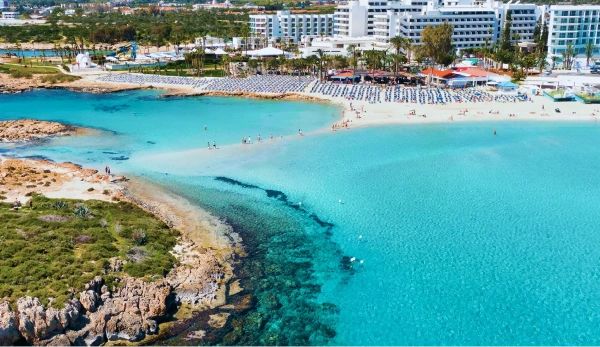
St Kitts and Nevis, Grenada, St Lucia and Antigua and Barbuda grant citizenship in four to nine months for contributions from US$230,000 to US$250,000 plus fees, with an interview for every adult and, from September 2026, a shared regional regulator. For an American the passport adds little travel value, but the citizenship adds a second nationality, a second legal home in the Western Hemisphere, and, in Grenada's case, no immediate advantage for E-2 purposes because an American does not need one. Applicants should note the 2026 developments described in Passport Legacy's Caribbean regulation article, including the US proclamation naming Antigua and Barbuda, which for a US citizen is irrelevant to travel but relevant to the long-term standing of the passport.
Route four: Türkiye
Türkiye grants citizenship in around six months for a US$400,000 property purchase held for three years, with family included. The Turkish passport does not give visa-free access to the Schengen area or the United Kingdom, which limits its travel value for an American, but it gives citizenship of a large economy with a growing property market and, for Americans with Turkish family or business ties, a practical second home.
What about US tax?
A second citizenship changes nothing about US tax. Americans are taxed on worldwide income wherever they live, must report foreign accounts above the FBAR threshold, and must comply with FATCA. Foreign tax credits and the foreign earned income exclusion reduce double taxation for those who move abroad, and a second passport can make relocation easier, but the obligation follows the American passport. Renouncing US citizenship is possible and some clients do it; it triggers the expatriation regime, including an exit tax for those above the asset and income thresholds, and it is a decision to take with US tax counsel, not one to make for the sake of a second passport.
Which route should an American choose?
An American with a qualifying ancestor should start with descent, because it is cheap, produces a strong passport, and rarely conflicts with any other plan. One who wants a European home should choose between Greece and Portugal on the basis of whether they will actually live there. One who wants a second nationality within a year should look at the Caribbean, with attention to which state suits their long-term intentions. And every American should have the tax conversation before, not after, the investment.
Frequently asked questions
Does the United States allow dual citizenship?
Yes. The State Department recognises that a US citizen may hold another nationality and does not require renunciation. Americans must use their US passport to enter and leave the United States.
What is the fastest second citizenship for a US citizen?
Caribbean citizenship by investment, at four to nine months, or citizenship by descent where the documents are readily available.
Will a second citizenship reduce my US taxes?
No. US tax applies to citizens regardless of residence or other nationalities. Relocation abroad can bring credits and exclusions that reduce double taxation, but the filing obligation continues.
Passport Legacy advises US clients on descent, residence and investment routes and coordinates with US tax counsel where needed. To assess the options for a specific family, contact the team.










.webp)




























.webp)


.webp)
















.webp)



















.webp)
.webp)