The fastest lawful route to a second citizenship is Vanuatu, typically one to three months from approximately US$130,000, followed by and St Kitts and Nevis. Without an investment programme, Argentina and Paraguay are the quickest naturalisation routes, at two and three years of residence. No legitimate programme is instant.
At a glance
- "Easiest" almost always means one of two things: money, through a government-approved investment programme, or years, through residence and naturalisation.
- By investment, Vanuatu is fastest at roughly one to three months, with the five Caribbean programmes running from about five to sixteen months as of July 2026.
- Caribbean minimum contributions start at US$200,000 for and rise to US$250,000 for St Kitts and Nevis.
- Without investment, Argentina (2 years), Paraguay (3 years) and Uruguay (3 to 5 years) offer the shortest realistic naturalisation timelines.
- There is no fast route to EU citizenship. Malta's investor-citizenship route was ruled unlawful in April 2025, and Portugal extended naturalisation to 7 or 10 years in May 2026.
What does "easiest" actually mean?
It is worth being direct about this, because the word does a lot of hidden work. In citizenship terms, "easy" almost always means either a substantial financial contribution processed quickly, or a modest financial requirement processed over several years. Very few routes are both cheap and fast, and the ones that claim to be usually are not lawful.
There is a third category - ancestry - where neither money nor time is the main obstacle. If you qualify by descent, you are not applying for citizenship so much as documenting one you already have.
In our advisory work we see clients arrive with a fixed idea of the "easiest" country and leave with a different one, because the real constraint turned out to be something else: their existing nationality's rules on dual citizenship, a travel history that complicates due diligence, or a timeline driven by a child's school year rather than by the programme itself.
Which countries grant citizenship fastest?
The table below compares the routes we are asked about most often. All figures are indicative and current as of July 2026. Costs shown are minimum government contributions or investments for a single applicant and exclude due diligence, government processing and professional fees, which add materially to the total.
| Country |
Route |
Realistic timeline |
Indicative cost or requirement |
| Vanuatu |
Development-fund contribution |
1–3 months |
From approximately US$130,000 |
| Nauru |
Treasury-fund contribution |
3–5 months |
From approximately US$115,000, with a reduced level applying during part of 2026 |
| St. Kitts and Nevis |
Sustainable Island State Contribution |
S5–8 months |
From US$250,000 |
|
Economic Diversification Fund |
6–9 months |
From US$200,000 |
| Grenada |
National Transformation Fund |
7–10 months |
From US$235,000 |
| Antigua and Barbuda |
National Development Fund |
9–14 months |
From approximately US$230,000 |
| St. Lucia |
National Economic Fund |
12–16 months |
From approximately US$240,000 |
| Türkiye |
Real estate purchase, three-year holding period |
4–8 months |
From US$400,000 |
| Argentina |
Residence, then naturalisation |
2 years' residence plus processing |
Lawful residence; handled administratively since October 2025 |
| Paraguay |
Permanent residence, then naturalisation |
3 years' residence plus processing |
Modest financial requirements; Spanish language and civics assessment |
| Uruguay |
Legal residence, then legal citizenship |
3 years with family, 5 years single |
Evidence of genuine ties and settled residence |
| Panama |
Qualifying residence, then naturalisation |
5 years' residence plus processing |
Residence permit; Spanish language and civics examinations |
| Ireland |
Residence, then naturalisation |
5 years' reckonable residence within the previous 9 |
Lawful residence; no investment route currently open |
| Portugal |
Residence, then naturalisation |
7 years (EU and CPLP nationals) or 10 years (all others) |
Under the nationality law in force from 19 May 2026 |
| Malta |
Residence, then naturalisation |
Measured in many years |
Investor-citizenship route closed following the April 2025 CJEU ruling |
| Ireland, Italy and others |
Citizenship by descent |
Months to a few years |
Documentary proof of ancestry; no investment required |
Which investment routes are genuinely fastest?
Vanuatu is the quickest programme in the world and has been for some years, with approvals commonly issued within one to three months and no residence or language requirement. It is the right answer for a narrow set of clients - usually those who need a second document quickly and whose travel needs are regional. It is the wrong answer for anyone whose priority is European access, because Vanuatu passport holders no longer benefit from visa-free entry to the Schengen area following the EU's decision in December 2024.
Among the Caribbean programmes, St Kitts and Nevis is the fastest at roughly five to eight months, from US$250,000. is the lowest-cost of the five at US$200,000, typically six to nine months, and is a strong option for families where budget is the binding constraint. Grenada is the only Caribbean programme whose citizens can apply for the US E-2 treaty investor visa, which is why it is often chosen despite a slightly longer timeline.
Türkiye sits in a category of its own. At US$400,000 in real estate held for three years, it is the largest commitment on this list, but the capital is invested rather than donated, and approvals commonly come through in four to eight months.
Where can you naturalise quickest without an investment programme?
Argentina has the shortest qualifying period of any established route: two years of continuous lawful residence. Since October 2025 applications have been processed administratively rather than through the federal courts, which has removed a long-standing source of delay. Paraguay follows at three years of permanent residence, with modest financial requirements and a Spanish and civics assessment.
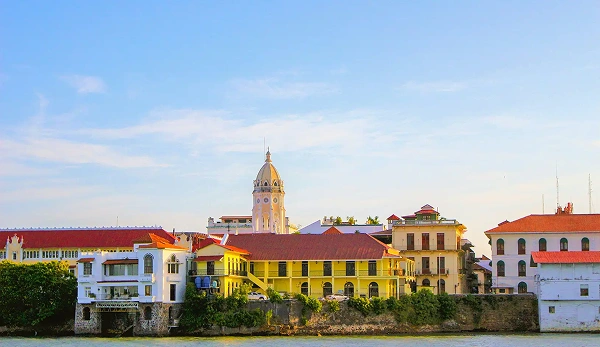
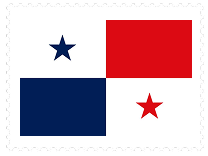
Uruguay grants "legal citizenship" after three years of residence for applicants with immediate family in the country, or five years for single applicants, and expects evidence of genuine settlement rather than a token presence. Panama requires five years of qualifying residence and examinations in Spanish language, history and civics.
The common thread is that all four require you to actually live there. These are not paper routes, and applicants who treat them as such tend to fail at the final stage. Anyone considering them should first confirm that their existing nationality permits dual citizenship, as we set out in our guide to which countries allow dual citizenship.
What is the easiest EU country to get citizenship in?
There is no longer a fast one, and it is important to say so plainly. The European Court of Justice ruled Malta's investor-citizenship route unlawful in April 2025, closing the only route that offered EU citizenship in a defined period without long residence.
Ireland remains the most accessible on paper, requiring five years of reckonable residence within the previous nine, but it has no investment route. Portugal was the standard answer until recently; under the nationality law in force from 19 May 2026, naturalisation now requires seven years of lawful residence for EU and Portuguese-speaking-country nationals and ten years for everyone else. Transitional treatment of residence already accrued is still being clarified, so anyone relying on time already served should take current advice before assuming their position.
Spain's golden visa closed in April 2025, and Portugal removed its property route in 2023. European residence programmes remain valuable in their own right, but they should now be assessed as residence, not as a short path to an EU passport.
What about citizenship by descent?
If you have an Irish, Italian or other qualifying parent or grandparent, descent is almost always the cheapest and often the quickest route available to you. It requires documentation rather than capital, though civil records from several generations back can take time to assemble.
Rules are tightening here too. Italy narrowed its descent provisions under Law 74/2025, introducing a closer generational link than the previously open-ended entitlement. We deal with eligibility in detail in our guide to citizenship by descent.
What has changed in due diligence standards?
Every Caribbean programme has tightened materially. Mandatory interviews now apply for principal applicants and older dependants across several programmes, conducted virtually in most cases. Minimum contributions were harmonised upwards, and the five states have established a regional regulator to supervise standards consistently.
This is a positive development, not an obstacle. Stronger vetting protects the long-term value of these citizenships and the international relationships that underpin them. In practice it means applications must be assembled properly the first time, because a refusal is disclosable and follows you.
Frequently asked questions
What is the easiest country to get citizenship in?
Vanuatu is the fastest, with citizenship by investment typically granted within one to three months from approximately US$130,000 as of July 2026 and no residence or language requirement. is the lowest-cost Caribbean option at US$200,000. If you are unwilling to invest, Argentina offers the shortest naturalisation route at two years of lawful residence.
Which is the cheapest country to buy citizenship in?
As of July 2026, has the lowest minimum contribution among the established Caribbean programmes at US$200,000 for a single applicant. Nauru's programme is lower still, from approximately US$115,000. All figures exclude due diligence, government processing and professional fees, which add meaningfully to the total, so headline contributions should never be compared in isolation.
Can you get citizenship in a country without living there?
Yes, through citizenship by investment. Vanuatu, Nauru and the five Caribbean programmes grant citizenship without a residence requirement, although several now require an in-person or virtual interview and biometric enrolment. Every naturalisation route, by contrast, requires genuine physical residence for the qualifying period, and applicants who do not actually live there are routinely refused.
Which country gives citizenship the fastest to foreigners?
Vanuatu, at roughly one to three months from application to approval, is the fastest lawful route as of July 2026. Nauru follows at three to five months, and St Kitts and Nevis at five to eight. Any provider promising citizenship in days, or without due diligence checks, is describing something that is not lawful.
Is there a fast route to EU citizenship?
No. Malta's investor-citizenship route was ruled unlawful by the European Court of Justice in April 2025, and Portugal extended its naturalisation requirement to seven or ten years of residence in May 2026. Ireland's five-year residence route is now the shortest established path, and it has no investment option. EU residence remains available; EU citizenship does not, quickly.
How much does a second citizenship really cost?
Government contributions start at US$200,000 for and US$250,000 for St Kitts and Nevis, but the total is always higher. Due diligence fees, government processing fees, passport issuance and professional fees typically add tens of thousands, and family applications scale with each dependant. Budget on a fully costed basis rather than the headline figure.
Speak to Passport Legacy
The right programme is rarely the fastest or the cheapest - it is the one that matches your family's mobility needs, your existing nationality's rules and your realistic timeline. Our advisers will set out the options honestly, including the ones we would not recommend for you. Contact us for a confidential consultation, or explore our citizenship by investment programmes in full.






.webp)



















.webp)


.webp)















.webp)


















.webp)
.webp)